[Adobe Stock]
“We have a program in MASH, in the liver, the LIVERAGE program, plus a robust data-generation program to come over the next couple of years, because we want to bring a comprehensive package for metabolic health,” said Neeraja Balachander, who oversees the company’s cardio-renal-metabolic portfolio. LIVERAGE is Boehringer’s Phase 3 program in adults with MASH and fibrosis.
Beyond MASH, the headline survodutide readout is its obesity trial. In SYNCHRONIZE-1, a 76-week Phase 3 study published June 7 in The New England Journal of Medicine, the glucagon/GLP-1 receptor dual agonist met both primary endpoints among 725 adults with obesity and without diabetes. At the higher 6.0-mg dose, participants lost an average of 13.0% of their body weight under the trial’s primary analysis, against 5.4% for placebo, and 71.9% lost at least 5%.

Neeraja Balachander, MBBS, PhD
The liver-fat results the company presented at the 2026 American Diabetes Association (ADA) Scientific Sessions were, by its own account, an opening move. “This is just our first tranche of [survodutide] data coming out at ADA,” Balachander said. In the same SYNCHRONIZE-1 trial, survodutide reduced liver fat by up to 63.1%. In the separate SYNCHRONIZE-MASLD trial, roughly 6 of 10 patients reached liver fat normalization after 48 weeks.
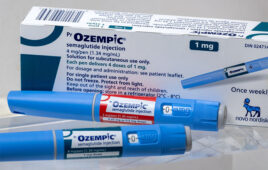
MASH is beginning to receive growing attention from sponsors. Madrigal’s Rezdiffra (resmetirom), an oral thyroid hormone receptor-beta agonist, became the first FDA-approved treatment for MASH/NASH with moderate-to-advanced fibrosis in March 2024. The FDA followed in August 2025 with an accelerated approval of Novo Nordisk’s Wegovy (semaglutide) for adults with noncirrhotic MASH and moderate-to-advanced fibrosis, the first GLP-1 therapy cleared for the condition albeit contingent on confirmatory evidence.
The recent approvals arrived after years of late-stage disappointment in MASH drug development. Gilead’s selonsertib missed Phase 3 endpoints in advanced fibrosis and compensated cirrhosis, Genfit’s elafibranor failed the interim analysis of its Phase 3 RESOLVE-IT trial and Intercept’s obeticholic acid drew an FDA rejection.
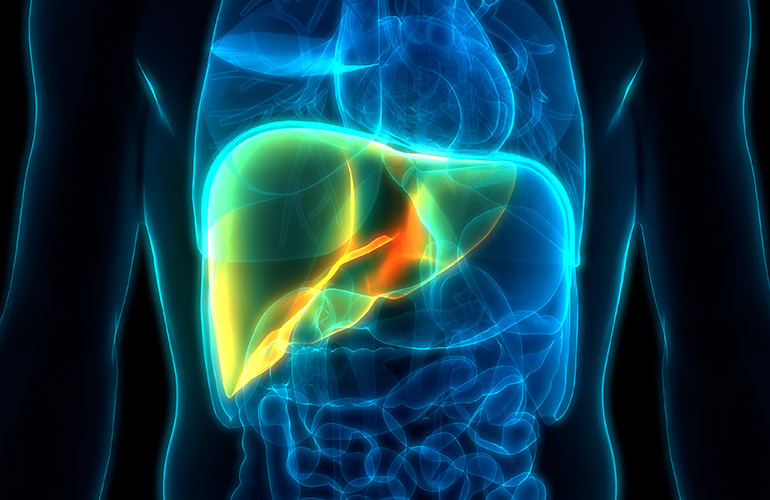
Balachander said the scientific appeal of MASH starts with “medicine 101.” The liver, the largest internal organ, can regenerate. Fibrosis in the liver is, to some extent, reversible. Still, MASH “used to be the graveyard for drug discovery,” she said.
Survodutide mechanism and metabolic effects
Survodutide is a dual agonist, but only one half of it belongs to the incretin class that defines today’s obesity drugs. The GLP-1 component puts survodutide in the same broad incretin-drug conversation as semaglutide and tirzepatide. The second target is glucagon. “Glucagon receptors, predominantly, are found on the liver, the pancreas, the kidney, lungs and heart,” Balachander said. Because MASH begins with fat accumulating until it distorts the organ’s architecture and invites inflammation.
That mechanistic case begins with insulin resistance, the same metabolic dysfunction that links obesity, type 2 diabetes and fatty liver disease. “It’s very interesting, because the insulin resistance triggers another point,” Balachander said. “In MASH, people have found glucagon resistance: the body produces glucagon but somehow it doesn’t act on the liver.” That impaired signaling, she said, appears to be one reason patients with MASLD accumulate fat within organs.
Going upstream
One of the biggest shifts in MASH research is where drugmakers now aim. Early efforts went after the downstream damage, inflammation and then fibrosis, and “we almost came late to the game,” she said. “Now, we’re going more upstream and asking why there’s inflammation, and I think that’s behind some of the success in MASH drug discovery.” The reframing follows from a growing recognition that the inflammation itself has upstream metabolic triggers.
Reviews of the disease support the broad picture, describing MASH as a metabolically driven process in which excess fatty acids and toxic lipid intermediates can promote hepatocyte stress, macrophage activation and fibrotic signaling. That connection points toward a more targeted future for metabolic drugs, a space that has already undergone significant transformation since 2021, when semaglutide won approval for obesity. “Now, there are multiple mechanisms competing even in the obesity space, and that’s going to have a big downstream effect on how we look at targeted mechanisms beyond just weight loss,” Balachander said. The shift could move from number of pounds lost to “quality weight loss,” she predicted.
Filed Under: Hepatology, Metabolic disease/endicrinology, Uncategorized