OrsoBio, a small biotech company focused on developing therapies for obesity and obesity-related disorders, is looking beyond the GLP-1 trend in weight-loss solutions.

Rob Myers, CMO of OrsoBio (Courtesy of OrsoBio)
In its pipeline, the company is developing mitochondrial protonophores that increase energy expenditure and could be used to treat obesity, diabetes and fatty liver disease.
LXR inverse agonist for hypertriglyceridemia
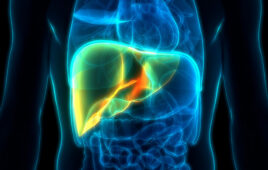
A drug in development by OrsoBio, called TLC-2716, inhibits the transcription factor liver X receptor (LXR), which controls cholesterol and triglyceride levels in the blood. This drug is in development for the treatment of disorders, including hypertriglyceridemia and fatty liver disease, also called MASH. The drug decreases the production of fats in the liver and the amount of fat that gets absorbed from the diet by the intestine.
The Phase 2a trial investigated the effect of the drug in patients with severe hypertriglyceridemia and fatty liver. The trial showed statistically significant reductions in triglycerides as well as other lipids that contribute to cardiovascular disease, like remnant cholesterol, total cholesterol and non-HDL cholesterol. The drug also leads to reductions in liver fat, showing benefits for both hypertriglyceridemia and MASH.
Other treatments for metabolic diseases include LXR agonists, which cause increases in triglycerides, LDL, cholesterol and liver fat. OrsoBio’s drug is an LXR inverse agonist, meaning it does not have the same side effects. Patient experiences with LXR agonists were one factor that led the company to develop TLC-2716, chief medical officer Rob Myers told Drug Discovery and Development.
The drug is actively taken up into the liver by hepatic uptake transporters, which helps to lower the chance of adverse effects. The data from the trial confirmed that the drug only circulates in the bloodstream for a short time, Myers said, stopping it from inhibiting the target in white blood cells, which could have adverse effects on cholesterol transport.

TLC-2716 is a once-daily oral medication, presenting an important benefit over other injectable medications for elevated triglycerides. “This drug is very complementary to other drugs that are approved to treat abnormal lipids, like statins and fibrates, which are oral medications,” Myers said. “And so, because this is a once-daily oral medication at a low dose, we could think about producing combination pills with these other medications for combination therapy in the future.”
“The fact that it’s a daily oral medication might make TLC-2716 a nice step-up option for people who are failing treatment with currently available drugs like fibrates and statins; they could go on our drug before going on one of these injectable treatments,” he added.
While the drug has the potential to treat several diseases, OrsoBio is focusing on severe hypertriglyceridemia, which affects millions of Americans. “Because of the large overlap, for example, with fatty liver and elevated remnant cholesterol, in our phase 2b study, we’ll get a good sense as to how effective the drug could be for those indications,” Myers said. “And depending on the data, we could always make a pivot into one of those indications, or evaluate the drug in those indications as well as severe hypertriglyceridemia.”
OrsoBio is currently exploring fundraising opportunities to support a Phase 2b trial of the drug, in which the company will continue to investigate TLC-2716 as a treatment for severe hypertriglyceridemia.
Treating the other side of the obesity equation
In addition to TLC-2716, OrsoBio is also working on a mitochondrial protonophore program that the company acquired from Gilead. Several researchers from the team who initiated the program at Gilead in 2015 would go on to found OrsoBio in 2020.
Mitochondrial protonophores increase energy expenditure and could potentially treat obesity and related disorders. While GLP-1s decrease energy intake, these treatments work on the other side of the equation, Myers explained.
In a Phase 2a trial, researchers found that combining the therapy, called TLC-6740, with tirzepatide increases the amount of weight loss achieved. The drug also has a variety of metabolic benefits, including improving insulin sensitivity, reducing liver fat and reducing fat content throughout the body without affecting muscle mass.
In addition to TLC-6740, which the company is testing in combination with tirzepatide, researchers are working on a second protonophore prototype that is more potent. That compound is currently in Phase 1, and the company aims to move into Phase 2 in 2027.
OrsoBio has raised a total of $165 million from a variety of investors, including Eli Lilly, and is currently raising funds to support advancing programs, including moving TLC-2716 into Phase 2b and TLC-6740 into Phase 2.
Filed Under: Uncategorized