
In April, The New York Times proclaimed that a gen-AI-driven company that hawked compounded GLP-1 drugs was potentially on track to have $1.8 billion in 2026 sales. The paper also reported that the company, MEDVi, had generated $401 million in sales in 2025, saying it had been given access to unspecified company financials. By then,…
Novo Nordisk announces strategic partnership with AWS. Will it be enough to turn around its financial performance?

After kickstarting the GLP-1 wave that transformed the pharma landscape and briefly sending its market value above Denmark’s annual economic output, Novo Nordisk now trades about 5% below where its shares stood five years ago. After its shares hit an all-time closing high of $137.40 on June 25, 2024, the stock slid about 66% to…
What if psilocybin works about as well for depression as an SSRI?

For all the hope invested in them as treatments for depression, classic psychedelics may end up offering only incremental gains for most patients, based on some of the most recent data in the field. If that thesis proves true, the arc of psilocybin, the most widely studied psychedelic of late, would broadly echo the trajectory…
Boehringer Ingelheim eyes MASH as the next front for survodutide, a GLP-1/glucagon receptor dual agonist
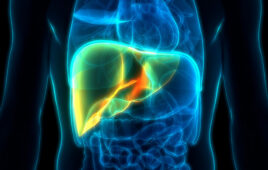
For decades, fatty liver disease and its more serious inflammatory form, metabolic dysfunction-associated steatohepatitis (MASH), were often overlooked conditions with few approved treatments. Boehringer Ingelheim is among the companies now going after them with a concerted push. “We have a program in MASH, in the liver, the LIVERAGE program, plus a robust data-generation program to…
Immunai’s digital ‘plumbing’ keeps AstraZeneca coming back

Immunai, a startup building a foundation model of the human immune system, has expanded its oncology collaboration with AstraZeneca for the third time. Immunai is eligible to receive up to $37.5 million over 2026 and 2027 under the new agreement, which extends its AMICA-OS platform deeper into AstraZeneca’s clinical development pipeline. The two companies began…
Top pharma companies set sustainability goals, but emissions are still increasing
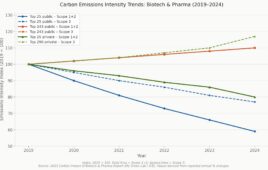
The health care industry contributes an estimated 4.4% of total global emissions annually. Approximately 71% of this comes from the health care supply chain, which includes the pharmaceutical and biotechnology sectors. Medicines contribute approximately 20% to 55% of health care’s total carbon footprint. This comes from corporate emissions, API production and manufacturing. Pharmaceutical manufacturing is…
Demystifying deep learning: An accessible introduction to neural networks in health research and epidemiology

As machine learning and deep learning technologies advance thanks to advances in computation, algorithms and data availability, the possibilities of the technology continue to expand in medicine. While these AI-driven approaches have real potential, such systems demand large volumes of representative data, careful privacy and security scrutiny and thoughtful long-term strategic planning. In this Q&A, Kathryn…