 The research and development (R&D) landscape for glucagon-like peptide-1 (GLP-1) receptor agonists and metabolic therapies is evolving beyond initial indications for treating glycemia in type 2 diabetes and weight reduction in obese/overweight with co-morbidities. Additional indications now include metabolic dysfunction-associated steatohepatitis (MASH), major adverse cardiovascular events (MACE) reduction, delay of renal disease progression, and treatment for obstructive sleep apnea, as well as recent evidence for pain reduction in osteoarthritis. Increased investment in clinical development of therapeutic combinations of incretins has followed the success of Tirzepatide (dual GLP-1/GIP) and the even greater potency of Retatrutide (GLP-1/GIP and glucagon). The recent approval of oral GLP-1 receptor agonists will be followed shortly by oral forms of dual and possibly triple incretins. These trends provide a rapidly expanding arsenal of agents that might progress our ability to tailor therapy to individual needs beyond what is possible with first-generation agents, and to personalize weight related therapy according to specific comorbidities.
Current GLP-1 therapies have transformed obesity care. Ongoing challenges include the high rates of discontinuation within the first year of treatment due variously to cost and access, gastrointestinal intolerability (nausea, vomiting, diarrhea and constipation) and management of titration/expectations, lack of efficacy in a subgroup of patients, and lingering concerns about long-term safety despite an excellent safety profile over the past 20 years.1 More recently, concerns about loss of lean muscle and/or bone density have been raised, and while the true clinical significance for younger patients is still being explored, it seems clear that some aged or elderly patients can be put at risk for exacerbating frailty. Moreover, discontinuation leads to the phenomenon of rebound weight gain on average within 1.5 years.1
When GLP-1 receptor agonists are withdrawn, weight regain may be driven by neuroendocrine adaptations that increase appetite signaling while decreasing energy expenditure, possibly due to losses in lean mass. Moreover, when weight is regained, patients typically experience an increased fat-to-muscle ratio, further lowering their basal metabolic rate and potentially increasing their risks for cardiovascular disease and type 2 diabetes.
Overcoming these first-generation therapy shortcomings has emerged as a primary goal in the development of new obesity treatments. Preserving lean muscle mass is being pursued by many companies as a critical R&D objective, particularly to protect vulnerable demographics, such as the elderly. Additionally, addressing rebound weight gain remains a key priority, especially if drug tolerability issues persist.
Diversifying routes and targets
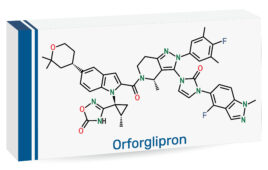
To improve patient adherence, convenience, and overall tolerability, pharmaceutical developers are diversifying their delivery methods. Traditional once-weekly subcutaneous injections have now been increasingly complemented by the development of oral and potentially sublingual formulations. Notable oral delivery candidates include Novo Nordisk’s recently approved Wegovy (semaglutide) and Eli Lilly’s Foundayo (orforglipron), along with multiple other programs currently in mid- to late-stage development.
At the same time, researchers are maximizing metabolic efficacy by designing drugs that target multiple hormonal receptors at once. These dual and triple agonists combine GLP-1 with other metabolic hormones, such as glucose-dependent insulinotropic polypeptide (GIP) and glucagon. By engaging multiple pathways simultaneously, these therapies can synergistically suppress appetite while increasing energy expenditure and improving liver health. By balancing the inherently insulinogenic effect of GLP-1 agonists have when prescribed alone, early results from combinations such as GLP-1/glucacon already appear to mitigate concerns over the loss of lean muscle mass.
Shifting toward comorbidities
Obesity is a chronic disease associated with approximately 200 distinct health complications, and this evolving therapeutic landscape is increasingly targeting these comorbidities. Currently, the clinical pipeline is heavily weighted toward treating these interconnected diseases. There are 48 obesity drugs in development specifically for type 2 diabetes and 19 targeting MASH. Other therapies are being actively investigated for Alzheimer’s disease, Parkinson’s disease, sleep apnea syndrome, chronic kidney disease, and heart failure.
Existing GLP-1s are already paving the way through significant label expansions. For instance, semaglutide has secured FDA approval for reducing MACE in individuals with established cardiovascular disease, and for reducing the risk of disease progression in chronic kidney disease. Tirzepatide recently gained FDA approval for moderate-to-severe obstructive sleep apnea in individuals with obesity, while Retatrutide has shown positive results in reducing pain for adults with knee osteoarthritis. Regulatory and commercial success for new developers will depend heavily on demonstrating improvements across multiple comorbidities, not just effectiveness in treating obesity.
Next-generation non-incretin mechanisms
A significant shift in obesity therapy development is the exploration of novel, non-incretin mechanisms of action. These new drug classes are designed to offer complementary biology relative to GLP-1s that can be used in combination or sequencing strategies to achieve greater fat selectivity and therapeutic durability.
For example, amylin agonists target a different satiety pathway than GLP-1s, decreasing food intake and potentially improving leptin sensitivity. In a separate strategy, myostatin-activin pathway inhibitors block signals that drive muscle atrophy, with the goal of preserving lean muscle mass, while aggressively reducing fat.
Controlled metabolic accelerators represent a novel class of small oral molecules that use low-grade mitochondrial uncoupling to safely increase resting energy expenditure. Historical systemic uncouplers carried toxic risks of hyperthermia, but newer versions offer precision-controlled, liver-targeted treatment, selectively reducing liver fat while minimizing dangerous systemic exposure.
RNA-based gene silencing therapies, such as Arrowhead Pharmaceuticals’ ARO-INHBE, represent a new frontier in precision metabolic treatment. Subcutaneous injections of ARO-INHBE use small interfering RNA to reduce the hepatic expression of the human inhibin beta E protein gene, which lowers serum activin E levels. This enhances lipolysis, reduces visceral adiposity and improves insulin resistance.
Unexplored metrics and regulatory gaps
As R&D pushes beyond total weight reduction, developers face new scientific and regulatory gaps. Current regulatory approval pathways are dominated by weight-centric endpoints, with limited precedent for functional or metabolic composite endpoints. As such, there is a lack of a clear pathway to market authorization for drugs aiming to prove benefits beyond independent weight loss.
To more fully capture the quality, speed and durability of new therapies, researchers are exploring advanced metrics, including lean mass preservation as measured by dual-energy x-ray absorptiometry- or MRI-derived muscle volume, visceral-to-subcutaneous fat ratios, and functional assessments such the six-minute walk test, WOMAC pain scores, and maximal oxygen uptake. Importantly, treatment durability, such as the percentage of weight regained at ≥12 months post-cessation, will be a critical endpoint for emerging obesity therapies, and regulatory structures will need to adapt to these and other new metrics.
Conclusion
The future of obesity and metabolic treatment is rapidly expanding far beyond the original parameters of early GLP-1 therapies. Drug developers are now tasked with navigating a complex scientific and regulatory environment that increasingly demands comprehensive, functional and outcome related endpoints. The frontier of obesity therapeutics development is characterized by explosive global growth. There are currently over 100 active obesity-specific clinical trials worldwide, with more than 60 of these in Phase II/III stages. Driven by rising global obesity prevalence and an influx of investment from pharma and biotech, the annual volume of these clinical trials will continue to grow, along with the need for innovative approaches to treatment.
 References
- West S, Scragg J, Aveyard P, et. al., Weight regain after cessation of medication for weight management: systematic review and meta-analysis. BMJ 2026; 392: e085304.doi: 10.1136/bmj-2025-085304
Simon Bruce, MD is vice president, internal medicine at ICON plc where he leads drug development strategy across metabolic and cardiometabolic programs. Based in San Diego, he has focused much of his recent work on obesity and GLP-1 therapeutics, including trial design challenges in the shift from weight-centric endpoints to comorbidity and functional outcomes.
Filed Under: Metabolic disease/endicrinology