Drug Discovery and Development

  • Home Drug Discovery and Development
  • Drug Discovery
  • Women in Pharma and Biotech
  • Oncology
  • Neurological Disease
  • Infectious Disease
  • Resources
    • Video features
    • Podcast
    • Views
    • Webinars
    • PharmSci360
  • Pharma 50
    • 2026 Pharma 50
    • 2025 Pharma 50
    • 2024 Pharma 50
    • 2023 Pharma 50
    • 2022 Pharma 50
    • 2021 Pharma 50
  • Advertisers
    • Advertise
    • PR Submissions
    • Eblast Submissions
  • SUBSCRIBE

EXP2 Protein Helps Deadliest Malaria Protein Obtain Nutrients During Infection

By NIH | August 28, 2018

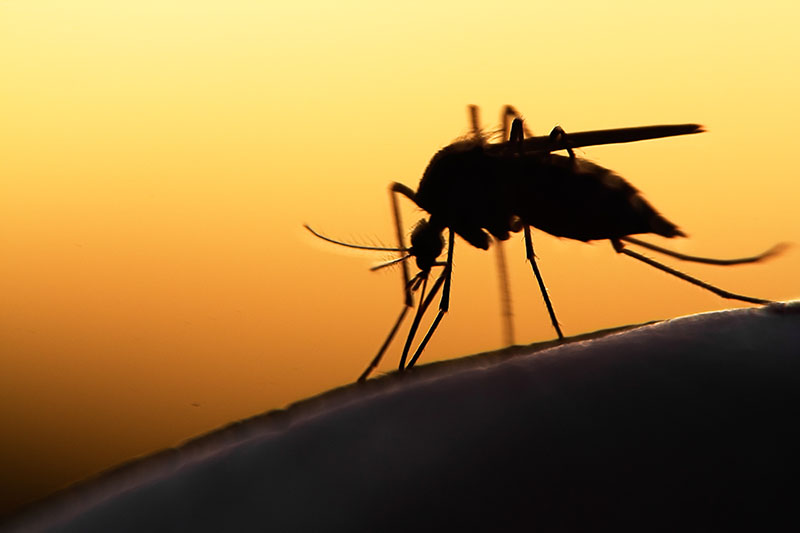
Researchers from the National Institutes of Health and other institutions have deciphered the role of a key protein that the malaria parasite Plasmodium falciparum uses to obtain nutrients while infecting red blood cells. Their study appears in Nature Microbiology.

According to the World Health Organization, in 2016 there were an estimated 216 million malaria cases and 445,000 malaria deaths. P. falciparum is responsible for most malaria-related deaths globally.

The parasite remodels the red blood cell it infects to obtain nutrients. During this process, the parasite secretes hundreds of proteins that need to be transported from the vacuole, the compartment in which the parasite resides, to the interior of the cell. A group of proteins, called the Plasmodium translocon of exported proteins (PTEX), has been shown to be essential for transporting materials to and from the vacuole. Previous studies have uncovered the function of one of the proteins in the PTEX group to reshape proteins for transport, but the function of other proteins in the group have not been well understood.

In the current study, researchers analyzing blood cell cultures from healthy people determined that the PTEX protein EXP2 forms a channel in the vacuole membrane, which allows for passage of proteins and cellular nutrients to supply the parasite. The researchers hope that their discovery will lead to the development of new drugs to prevent formation of the channel and block the transport of nutrients and proteins to the parasite.

SOURCE: NIH


Filed Under: Infectious Disease
 

Related Articles Read More >

Moderna, Merck move toward filing for personalized melanoma therapy as COVID sales lift Q3
Cancer vaccine borrows COVID immune memory to activate T cells against tumors in mice 
AbbVie’s Maviret cured 96% of HCV trial participants. The real world is more complicated.   
FDA greenlights ViiV’s Tivicay PD for HIV-positive newborns in first month of life
“ddd
EXPAND YOUR KNOWLEDGE AND STAY CONNECTED
Get the latest news and trends happening now in the drug discovery and development industry.

MEDTECH 100 INDEX

Medtech 100 logo
Market Summary > Current Price
The MedTech 100 is a financial index calculated using the BIG100 companies covered in Medical Design and Outsourcing.
Drug Discovery and Development
  • MassDevice
  • DeviceTalks
  • Drug Delivery Business News
  • Medtech100 Index
  • Medical Design Sourcing
  • Medical Design & Outsourcing
  • Medical Tubing + Extrusion
  • Pharmaceutical Processing World
  • R&D World
  • Subscribe to our E-Newsletter
  • About Us
  • Contact Us

Copyright © 2026 Arrowfly LLC. All Rights Reserved. The material on this site may not be reproduced, distributed, transmitted, cached or otherwise used, except with the prior written permission of Arrowfly
Privacy Policy | Advertising | About Us

Search Drug Discovery & Development

  • Home Drug Discovery and Development
  • Drug Discovery
  • Women in Pharma and Biotech
  • Oncology
  • Neurological Disease
  • Infectious Disease
  • Resources
    • Video features
    • Podcast
    • Views
    • Webinars
    • PharmSci360
  • Pharma 50
    • 2026 Pharma 50
    • 2025 Pharma 50
    • 2024 Pharma 50
    • 2023 Pharma 50
    • 2022 Pharma 50
    • 2021 Pharma 50
  • Advertisers
    • Advertise
    • PR Submissions
    • Eblast Submissions
  • SUBSCRIBE