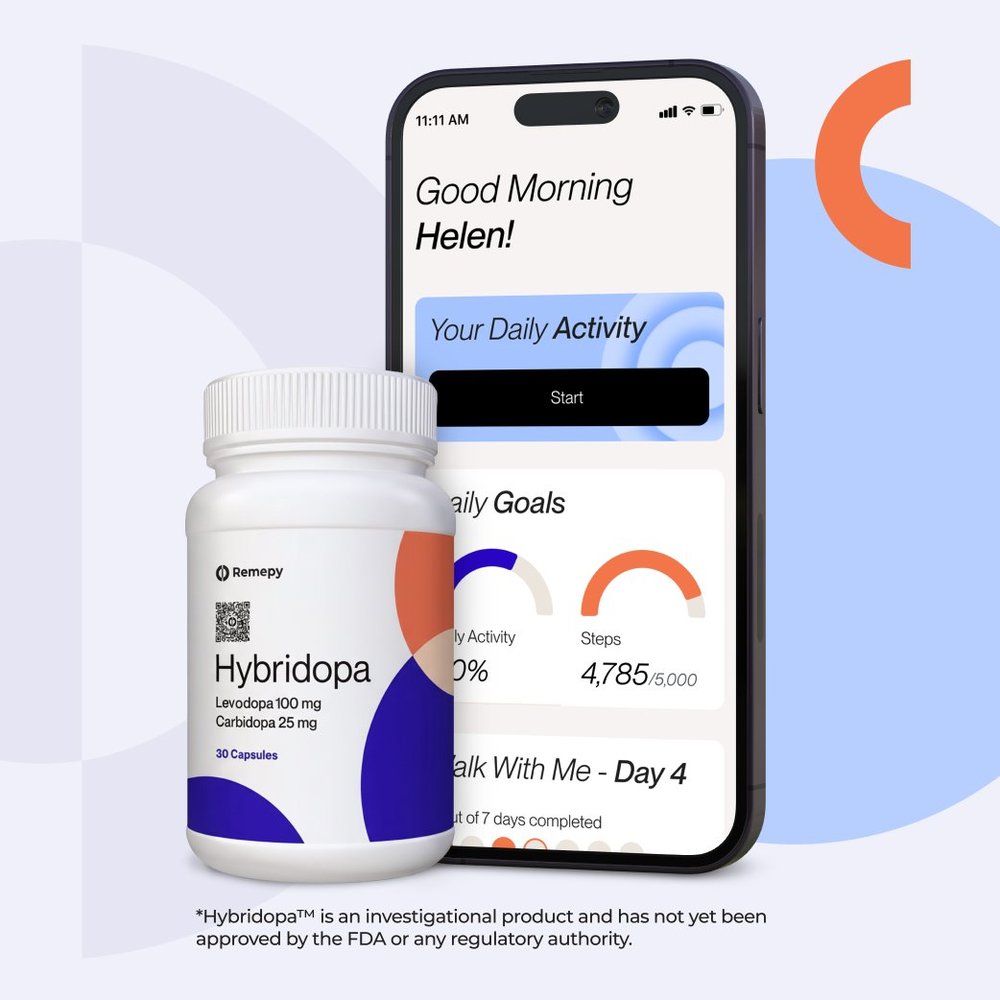
Remepy’s Hybridopa pairs carbidopa-levodopa capsules with a phone-based daily protocol that prompts walking, activity and other exercises. The product is investigational. (Image: Remepy)
“There’s an app for that.”
The phrase became something of a mantra in the early smartphone era, as apps went from niche to mainstream after Apple opened its App Store in July 2008 and Android Market followed months behind it. Medicine caught the fever quickly. Prominent future-facing clinicians, from Scripps cardiologist Eric Topol to Singularity University faculty member and physician-innovator Daniel Kraft, predicted that smartphones, sensors and apps would help diagnose, monitor and manage disease, with some digital tools eventually prescribed as routinely as pills.
That vision remains largely aspirational, despite clear exceptions in the form of FDA-cleared digital therapeutics. Michal Tsur, Ph.D., co-founder and co-CEO of Remepy, aims to change the dynamic through hybrid drugs, which pair conventional medicines with AI-driven, app-delivered treatment protocols. “I think one reason nobody has done it before is that the digital therapeutic ecosystem had to evolve first,” she said.
Remepy’s starting point is a critique of how care is usually assembled, and a push for cohesion to improve patient care. “Everything we do is the understanding that most medical conditions are better treated with a multidisciplinary, integrative approach,” Tsur said. That can span combining a pharmaceutical treatment with many modalities of non-pharmaceutical intervention, whether that’s physiotherapy, mental health support, cognitive neuromodulation, or speech therapy. “As technology evolves and devices become more powerful, you can deliver, measure, and personalize many types of high-quality intervention through a mobile device,” Tsur said.

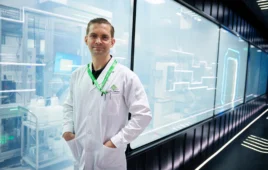
Michal Tsur, Ph.D.
Tsur said the company looks for diseases where non-pharmaceutical interventions already show a meaningful effect and where patients are likely to stay engaged with a structured protocol. “For many diseases, such as Parkinson’s, certain oncology indications, many neurology and immunology indications, and definitely many women’s health indications, integrating a drug with non-pharmaceutical interventions can sometimes double the clinical effect,” she said. “That’s how we prioritize the therapeutic areas we focus on: where is there a very large potential effect size for non-pharmaceutical interventions when you integrate them with a drug.”
Learning from the first wave
Remepy was designed around the commercial failure that buried the first wave of prescription software. Pear Therapeutics, maker of the first FDA-cleared prescription digital therapeutic, filed for Chapter 11 bankruptcy in 2023 after showing that doctors would prescribe its software and patients would use it, yet never securing the reimbursement to sustain a business. “That’s where we decided to invent this new type of product, which we call hybrid drugs, integrating a pharmaceutical drug with a digital protocol delivered by an app,” Tsur said. “Everything is mechanistically and scientifically proven, and we take it through rigorous clinical trials. In the end it’s a drug and an app.”
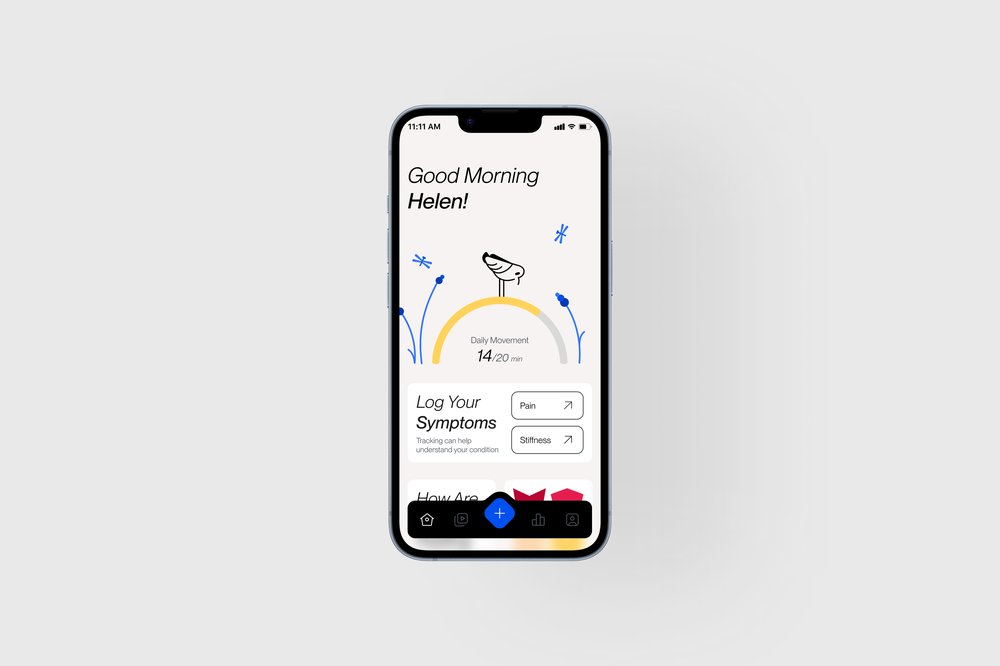
The app side of Remepy’s hybrid drug tracks daily movement against a goal and prompts patients to log symptoms like pain and stiffness. (Image: Remepy)
The drug-plus-app structure also has significant economic ramifications. Tsur said Remepy is trying to translate digital health into pharma economics by pairing software with a drug under frameworks such as combination-product regulation and the FDA’s Prescription Drug Use-Related Software, or PDURS, pathway. “That’s probably our strongest tailwind,” she said, because PDURS could allow software to support an expanded drug label based on its effect.
The drug Remepy is building on has a well-mapped ceiling. Levodopa is the most effective Parkinson’s therapy, but its benefit narrows as the disease advances; in a 13-year cohort study, motor fluctuations affected more than half of patients within five years of treatment and all of them within a decade. “For many drugs there’s a ceiling effect you cannot go beyond without attaching these interventions,” she said. In Parkinson’s, Remepy’s bet is that levodopa can do more when paired with a daily protocol that addresses movement, speech, cognition, mood and other functions through the same therapeutic package.
A drug carries a single mechanism and a hard ceiling on how far it can move a disease, while an app can stack many mechanisms at once. “Drugs usually have one mechanism. An app can have many,” she said. “You overcome individual variation by having a broad set of modalities in diseases with high variation.” Many disease labels group together patients with different symptoms, mechanisms and treatment needs.
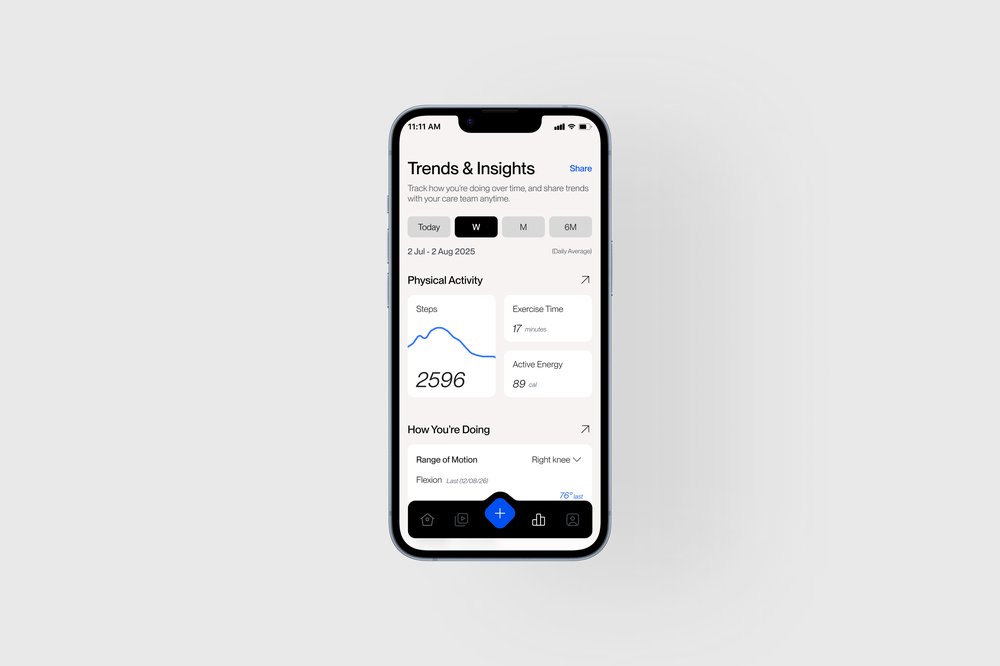
A trends view in Remepy’s app charts steps, exercise time and activity over weeks and months, with an option to share the data with a patient’s care team. (Image: Remepy)
Bringing the model to Parkinson’s
In Parkinson’s, the treatment takes the form of a daily protocol built around carbidopa-levodopa, the longtime backbone of motor therapy, with physiotherapy, speech and occupational exercises layered on top and re-tuned as the patient changes. Remepy calls the investigational combination Hybridopa, with the digital protocol delivered through an app it calls DopApp.
In May 2026, Remepy reported that a Phase IIa trial of Hybridopa met its primary endpoint, with results published in Brain Communications. The three-week, double-blind study kept 41 patients on their existing levodopa doses and randomized them to either DopApp or a placebo app. The protocol group improved by a mean 9.7 points on the MDS-UPDRS, the Movement Disorder Society’s revision of the Unified Parkinson’s Disease Rating Scale and the standard measure of Parkinson’s severity, against 1.95 points for placebo, and 90% of treated patients cleared a five-point response threshold. Tsur sizes that against the drug working alone. “Carbidopa/levodopa reduces the Unified Parkinson’s Disease Rating Scale by about eight to ten points, and we reduced it by an extra 9.7 points compared to 1.95 for placebo, with a 90% response rate,” she said. By that math, the app roughly doubled the pill’s effect.

Remepy’s founders, from left: Or Shoval, Prof. Amir Amedi, Eran Etam and Dr. Michal Tsur. (Image: Remepy)
Parkinson’s care guidelines already recognize the role of rehabilitative services such as physiotherapy, occupational therapy and speech-language therapy, yet those disciplines are often organized as separate care pathways. Hybridopa is an attempt to turn that multidisciplinary plan into a single prescribable product. Today, a neurologist may prescribe levodopa, then recommend physiotherapy, speech therapy, occupational therapy or other interventions that sit outside the drug workflow. Remepy wants to collapse that fragmented care plan into one product. “We’re making physicians’ lives easier,” Tsur said, “because instead of prescribing a drug and then recommending many other therapies, which they do, they just prescribe a hybrid drug.”
Filed Under: Data science, Precision Medicine