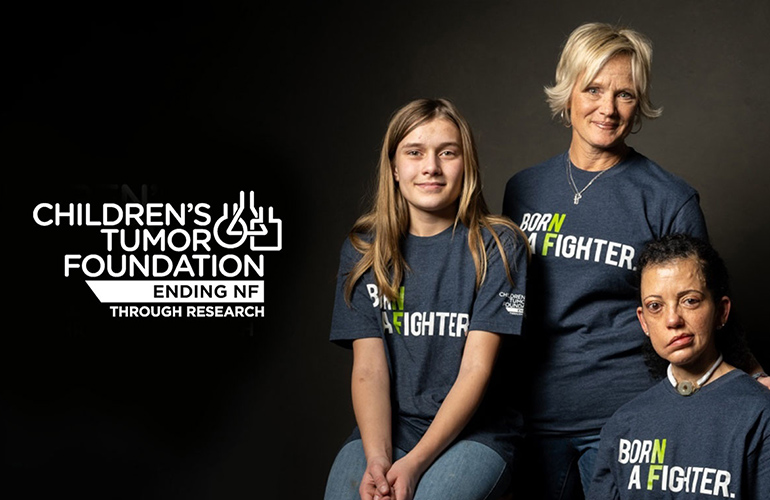
[Image courtesy of Children’s Tumor Foundation]
One example is the Children’s Tumor Foundation, a drug discovery engine for neurofibromatosis, a group of genetic conditions that cause tumors to grow on nerves throughout the body. CTF funded early-stage research into the use of MEK inhibitors as a treatment for NF, which is the technology behind the only two FDA-approved treatments for NF. Now, the foundation is turning towards the drugs gathering dust on pharma companies’ shelves.
Finding overlooked promising candidates
Pharma assets are often shelved for commercial reasons rather than for efficacy or safety concerns, Bakker said. Major pharmaceutical companies often acquire smaller biotechs to gain access to a specific candidate and shelve the rest. Or partnerships between biotechs and larger pharma companies fall through and the biotech lacks the resources to continue development on its own. Many shelved assets have preclinical or even Phase 1 data. When a biotech company goes under, the data from its assets becomes inaccessible.
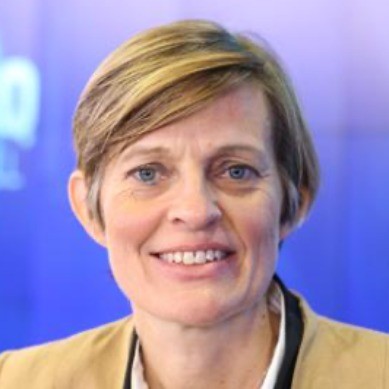
Annette Bakker, PhD
“Shelved assets are our focus because a shelved asset has already undergone a lot of development, a company has maybe already spent hundreds of millions of dollars on them, and they are now written off as a loss,” Bakker said. “What if we could take those and put them right into clinical trials? We could win all those years of preclinical and toxicology and go into clinical almost immediately.”
Bakker convinced Pfizer to license a shelved drug to a spin-off, SpringWorks Therapeutics, a subsidiary established in 2017. The drug, Gomekli, was approved by the FDA last year and SpringWorks was acquired by Merck KGaA for $3.4 billion.
But it’s hard to scale, Bakker said. At Pfizer, Louis Hall and Laura Sullivan championed the drug after speaking with Bakker.
“We are looking for these champions in other companies that are willing to work with us, but the pharma companies we are calling are not opening the door,” Bakker said.
On shepherding shelved assets to market
Recruiting enough patients to run a clinical trial is one of the biggest challenges in rare disease, since a disease under this umbrella may have only a few thousand patients scattered across many countries. For instance, NF1 affects roughly 1 in 3,000 people, and the subset with the inoperable plexiform tumors a drug like Gomekli targets is smaller still, which makes filling a clinical trial slow and costly.
“Everything you do in drug discovery is ten times harder in rare disease,” Bakker said. One of those challenges is recruitment, which is an area where nonprofits like the Children’s Tumor Foundation can help. Rare disease nonprofits inherently have a network of patients, making it much easier to recruit for clinical trials.
CTF has built a preclinical hub, a constantly growing network of preclinical models. Once a pharmaceutical company gives the foundation an asset, it can put the drug through preclinical and clinical trials.
“The idea is to create an ecosystem that makes sure that once we have the drug, we can be really efficient,” Bakker said.
Filed Under: clinical trials, Drug Discovery