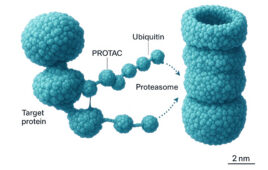
PROTACs (proteolysis-targeting chimeras) are an emerging class of drug molecules designed to eliminate disease-causing proteins rather than simply block them. Each PROTAC has two binding ends joined by a chemical linker: one end attaches to the target protein, while the other recruits an E3 ubiquitin ligase, an enzyme that tags proteins for disposal. By bringing…
The oral exposure challenge in PROTACs: What drug developers need to solve early
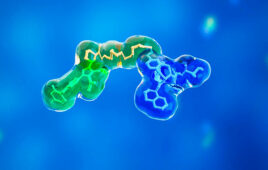
Proteolysis Targeting Chimera (PROTAC) drugs have evolved from a promising concept to a clinically validated modality. In May 2026, the U.S. FDA approved vepdegestrant (Veppanu®), the first PROTAC drug, marking an important milestone for targeted protein degradation and reinforcing the approach across a multitude of disease areas. PROTACs usually consist of three parts: a target-binding…
PROTACs in focus: Navigating the complexities of preclinical development

The development of Proteolysis Targeting Chimeras, or “PROTACs*,” has garnered significant attention in the pharmaceutical industry due to their potential to target and degrade disease-causing proteins previously considered undruggable. As a novel therapeutic modality, PROTACs offer a promising alternative to traditional small-molecule inhibitors and biologics. However, despite the excitement around these therapies, preclinical evaluations of…
Kymera Therapeutics shares positive KT-474 data for atopic dermatitis

Kymera Therapeutics (NSDQ:KYMR), like a growing number of biotech companies, is intending to expand the druggable universe. To that end, the company announced positive data related to targeted protein degradation (TPD). This modality enables oral small-molecule drugs to coax the body into clearing disease-causing proteins. Kymera’s lead drug candidate, KT-474, targets a key protein known…