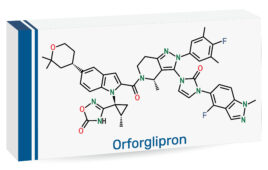
The modern GLP-1 era effectively began with semaglutide’s 2017 approval as Ozempic. While the field had evolved considerably since the FDA approval of the first GLP-1 receptor agonist, exenatide (brand name Byetta), in 2005 for Type 2 diabetes, the drug class remained injectable peptides throughout that period. Dosing intervals lengthened as molecules were engineered for…
Moving beyond the binary: how the convergence of small and large molecules is reshaping pharmaceutical R&D
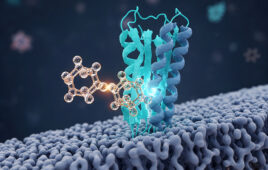
Pharmaceutical R&D is at an inflection point. Consider that small molecules accounted for 65% of FDA novel drug approvals in 2025. That is a jump from 56% in both 2023 and 2024. The note that even as biologic sales are growing three times faster than their chemical counterparts and are projected to overtake them by…
4 trends in FDA novel approvals in 2024

An analysis of FDA approvals across these five years shows small molecules remain central to modern therapeutics, even as complex biologics—particularly monoclonal antibodies (mAbs), antibody–drug conjugates (ADCs), and next-generation modalities—are on the rise. Steady R&D investment in these advanced approaches reflects growing clinical confidence in targeted therapies that address difficult or rare disease pathways. 1.…
50 of the best-funded biotechs of 2023

As the year draws to a close, it is clear that molecular science and diagnostics is the hottest funding area in the biotech industry. In an analysis of 50 of the best-funded biotechs of 2023 focused on human health, molecular and science and diagnostics startups collectively attracting roughly $945 million, dwarfing the figures in other…