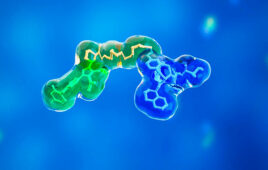
Proteolysis Targeting Chimera (PROTAC) drugs have evolved from a promising concept to a clinically validated modality. In May 2026, the U.S. FDA approved vepdegestrant (Veppanu®), the first PROTAC drug, marking an important milestone for targeted protein degradation and reinforcing the approach across a multitude of disease areas. PROTACs usually consist of three parts: a target-binding…
Moving beyond the binary: how the convergence of small and large molecules is reshaping pharmaceutical R&D
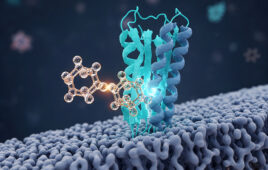
Pharmaceutical R&D is at an inflection point. Consider that small molecules accounted for 65% of FDA novel drug approvals in 2025. That is a jump from 56% in both 2023 and 2024. The note that even as biologic sales are growing three times faster than their chemical counterparts and are projected to overtake them by…
7 strategies to improve PROTACs’ oral bioavailability
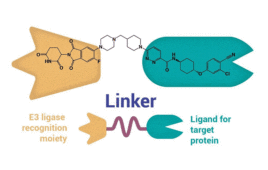
PROteolysis TArgeting Chimera (PROTAC)* drugs emerged in 2001 as a novel therapeutic option for treating previously untreatable diseases. To date, no PROTAC drugs have earned U.S. FDA approval, but the technology has opened up a promising new chapter in drug discovery. PROTACs are being widely explored across both industry and academia and have expanded from…
Unlock advanced CBD formulations with nutritional lipids

Cannabidiol (CBD) is fast emerging as an exciting ingredient across the pharmaceutical market, powered by increasing scientific research investigating its potential benefits in a number of disease states, including central nervous system (CNS) disorders, pain management, cancer and more. While there is a remarkable opportunity for the development of CBD-based solutions in the field, formulation…