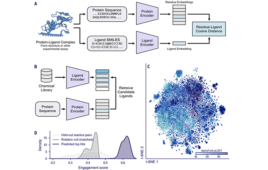
Few software releases have shaken drug discovery like AlphaFold. Its creators shared a Nobel Prize, and its public database put predicted structures for more than 200 million proteins open to researchers worldwide. Turning those structures into drugs poses another set of problems. Seattle-based Talus Bio is going after proteins that resist that approach, notably transcription…
How Immuto Scientific pairs AI and mass spec for a step change in protein structure throughput
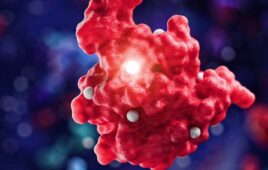
Cryo-electron microscopy can deliver near-atomic and, in favorable cases, atomic-resolution protein structures, but sample preparation and grid optimization remain major bottlenecks. Immuto Scientific, co-founded in 2018 by CEO Faraz A. Choudhury, Ph.D. and CTO Daniel Benjamin, Ph.D., both electrical engineers by training, is making a narrower pitch: that for selected workflows, especially antibody-antigen analysis, its…
Closing the information gap: ETH Zürich team integrates function and binding in one drug screening assay
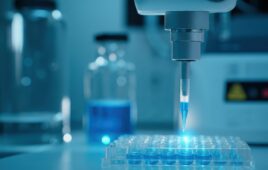
A team from ETH Zurich and Karolinska Institutet has developed a cross-linking MALDI mass spectrometry workflow that captures both functional response and target binding in a single assay. Drug screening has traditionally been split between functional assays and binding assays. However, neither tells the full story. Functional assays indicate whether a drug works, but not…
Ensuring the safety and efficacy of GLP-1 drugs: How mass spectrometry powers the next wave of metabolic therapeutics

Therapeutic peptides, as well as broader biologics and biotherapeutics, are rapidly reshaping the treatment landscape for chronic diseases, offering precision, potency and specificity that small molecules often can’t match. Among peptide-based therapeutics, such as, Glucagon-Like Peptide-1 (GLP-1) receptor agonists – including semaglutide and liraglutide – have emerged as game changers in managing type 2 diabetes,…