
Alzheimer’s disease remains one of the most complex and devastating neurodegenerative disorders, affecting over 55 million people globally. With projections estimating this number will rise to 139 million by 2050, the urgency to develop effective treatments has never been greater. Historically, AD drug development has been marked by setbacks and limited therapeutic success due to…
Quanterix VP: Why biomarkers are no longer supplemental
Biomarkers have moved from “nice-to-have” to the backbone of drug development, says Quanterix’s Jorge Marques Signes, who argues they now shape feasibility, timelines and even payer expectations before sponsors commit thousands of patients or years of spend. “Biomarkers are not supplemental anymore,” said Marques Signes, VP of Accelerator & Clinical Services at Quanterix. “They are…
Digital ready, regulatory waiting: The clinical trial pathology paradox
While diagnostic pathologists can review scanned slides remotely with AI assistance and instant global collaboration, much of the clinical trial pathology world still ships physical glass slides between labs, dealing with FedEx delays and proprietary file formats. “For exploratory assays, yes, it’s exploding. Everyone’s enjoying artificial intelligence and machine learning for various aspects, but there’s…
New treatment paradigms in oncology: Highlights from the ASCO 2025 annual meeting
As in previous years, the 2025 ASCO Annual Meeting showcased a strong portfolio of practice-changing data across a wide range of tumor types. Combination therapies remain a central theme, continuing to drive meaningful improvements in clinical outcomes. These benefits are increasingly balanced by evolving strategies for managing adverse events, underscoring the field’s commitment to both…
Drug development in 2025: 5 expert predictions cover synthetic data, hybrid trials and more
In 2024, we saw the expanded use of synthetic data and natural language processing transform drug discovery and development. In a batch of predictions published in December of 2023, one expert predicted that synthetic data was set to “take off” in drug research. In 2025, the pendulum could begin swinging back the other way, according…
PathAI launches AI tool for analyzing fibrosis in cancer tissue samples
The digital pathology firm PathAI has released PathExplore Fibrosis, an AI-based tool that analyzes fibrosis and collagen structures from H&E-stained whole-slide tissue images. The software quantifies fibrotic areas and collagen fibers from standard pathology slides, replacing specialized staining techniques and microscopy equipment. The tool processes large datasets of tissue images, designed to work with existing…
Immunotherapy side effects predictable? New study suggests yes
A new study, published in the Journal of Clinical Investigation, suggests that identifying distinct immune “signatures” in patients may help oncologists predict and prevent adverse events associated with immunotherapy. This observational study, reportedly the largest of its kind, prospectively enrolled 111 patients with solid tumors receiving immune checkpoint inhibitor (ICI) therapy at Johns Hopkins. Researchers…
Decoding disease with data: Merck & Culmination Bio’s quest to ‘fundamentally understand the biology’ through AI
Imagine sifting through medical and genetic histories to understand why some patients respond to treatments while others don’t. This is the reality for companies like Merck & Co. A recent pact with Culmination Bio is giving Merck access to more than 40 years of data, including millions of biospecimens to fuel this aim. “We want…
Study combines biomimetic AI, digital twins and multiomics to unveil potential genetic drivers of endometriosis
Endometriosis, a condition where endometrial tissue grows outside the uterus, has a strong genetic underpinning. A new study published in the Journal of Molecular Diagnostics sheds light on this connection. Researchers from a team including Genzeva, LumaGene, RYLTI Biopharma, Brigham & Women’s Hospital of Harvard University and QIAGEN Digital Insights used a unique approach in…
Alzheimer’s at an inflection point as drug and diagnostics breakthroughs emerge
Alzheimer’s disease research appears to be hitting its stride, thanks to recent therapeutic advances in drug development and the emergence of biomarkers to detect the condition. “All the pieces of the puzzle of precision medicine, which is already quite common in oncology, are now in place,” said Hartmuth Kolb, vice president, neuroscience biomarkers and R&D…
In data we trust: AI’s growing influence on drug development
The journey to developing a successful drug, theoretically, may appear linear: you discover the right drug, find the suitable patient and administer it at the right time. The reality, however, often deviates from this straightforward path. Aligning these three variables remains notoriously difficult, often leading to elongated timelines strewn with failures, sometimes extending over a…
Accelerating Alzheimer’s research: ADDF’s chief scientific officer reflects on the Lauder Foundation’s $200M gift
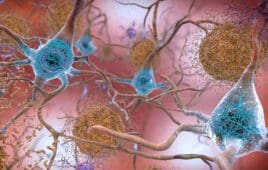
The Estée Lauder family has donated $200 million to the Alzheimer’s Drug Discovery Foundation (ADDF), a nonprofit they founded in 1998 to support Alzheimer’s research. The gift is the largest ADDF has received. “We’ve deployed about $270 million so far for about 700 programs in 19 countries of drug discovery and development over the past…
Bioanalytical method development and validation using Quanterix’s Simoa platform
The accepted definition of a biomarker is a “defined characteristic that is measured as an indicator of normal biological processes, pathogenic processes, or responses to an exposure or intervention, including therapeutic interventions.” This definition was derived from a 2016 partnership between the U.S. FDA and the National Institutes of Health (NIH). Biomarkers are not diagnostic…
Are predictive diagnostics the Doppler radar of disease?

What do cupcakes have to do with oncology, and more specifically, predictive diagnostics? Before I explain, I’ll provide some context. I recently came across an image that illustrated the difference between how Doppler radar detects conditions for a Tornado Watch versus a Tornado Warning using cupcakes.1 One side of the graphic shows each of the…


