A large analysis of previous studies has found that patients who stop taking weight loss medications will see the beneficial effects disappear within two years, causing weight and health issues to reappear.
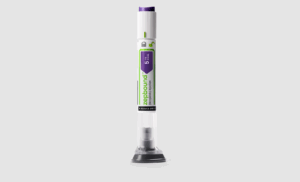
Zepbound injection for weight loss. Credit: Eli Lilly
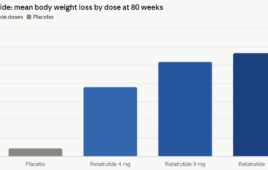
Researchers reviewed data on 9,341 obese or overweight patients treated across 37 studies with 18 different weight-loss medications, finding that they gained approximately 1 pound per month on average after stopping the medication. Following this pattern, patients were on average projected to return to pre-treatment weight by 1.7 years after ceasing medication.
Heart health risk factors that benefited from the drugs were projected to return to previous levels within 1.4 years, on average.
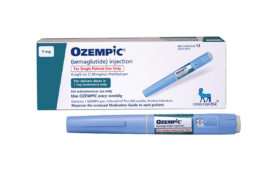
Roughly half of the patients had taken GLP-1 medications. The weight regain was faster with the 1,776 patients who were on semaglutide, sold as Ozempic or Wegovy, or tirzepatide, sold as Mounjaro and Zepbound, averaging about 1.8 pounds per month.
“But because people on semaglutide or tirzepatide lose more weight in the first place, they all end up returning to baseline at approximately the same time,” said senior researcher Dimitrios Koutoukidis of Oxford University.
Monthly weight regain was faster after weight-loss drugs compared to behavioral weight programs, the study found, by 0.3 kg (0.66 pounds) on average.
Reversal of weight loss mechanisms
When a patient ceases weight loss medication, the body’s homeostatic mechanisms react to the weight loss as a state of energy deficiency, increasing levels of the hunger hormone, ghrelin, and other appetite-stimulating signals.
A person’s metabolic rate drops during weight loss, meaning that the hunger a person experiences when stopping the medicine will lead to an increased caloric intake, creating a caloric surplus. The drug-induced glucose-dependent insulin secretion and glucagon suppression lead to the loss of exogenous GLP-1 signaling and weight regain.
The medicine’s effect on sodium excretion is also reversed, which affects blood pressure and other cardiovascular biometrics. GLP-1s inhibit the sodium-hydrogen exchanger 3 (NHE3) in the proximal tubule. When this stops, sodium reabsorption increases, leading to an increase in intravascular volume and blood pressure.
GLP-1s also slow gastric emptying, which returns to normal when the medication is stopped, leading to a sudden decrease in the duration of fullness. Research indicates that the suppression of the brain’s reward system by GLP-1s may lead to a rebound in sensitivity to highly palatable foods, such as high-sugar and high-fat meals, when the medication is stopped.
Filed Under: Endocrinology, Metabolic disease/endicrinology