Drug Discovery and Development

  • Home Drug Discovery and Development
  • Drug Discovery
  • Women in Pharma and Biotech
  • Oncology
  • Neurological Disease
  • Infectious Disease
  • Resources
    • Video features
    • Podcast
    • Views
    • Webinars
    • PharmSci360
  • Pharma 50
    • 2026 Pharma 50
    • 2025 Pharma 50
    • 2024 Pharma 50
    • 2023 Pharma 50
    • 2022 Pharma 50
    • 2021 Pharma 50
  • Advertisers
    • Advertise
    • PR Submissions
    • Eblast Submissions
  • SUBSCRIBE

Platelet-inspired nanoparticle delivers drugs directly where they are needed

By Julia Rock-Torcivia | December 12, 2025

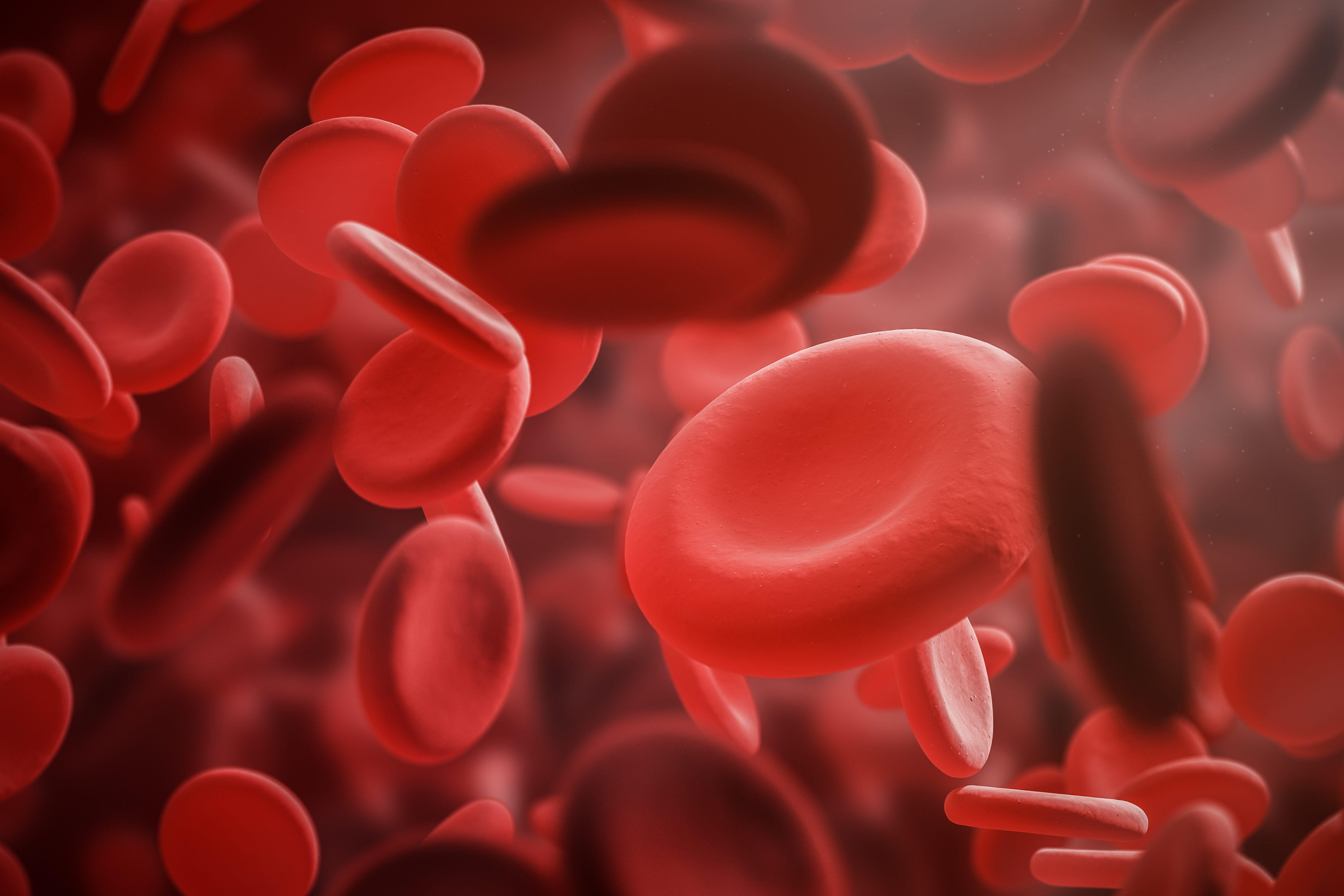
Red blood cells macro over red eritrosit background. Concept of blood cells count, medicine and healthcare. 3d rendering mock up

[image courtesy of denisismagilov/Adobe Stock]

Researchers at Case Western Reserve University and Haima Therapeutics used a “platelet-inspired nanoparticle” to deliver an anti-inflammatory drug. The drug was designed to improve the performance of electrodes in brain-computer interface (BCI) technology, which allows people to control devices with their thoughts. 

The nanoparticle allowed the scientists to deliver the drug directly to where the BCI electrodes were implanted. This doubled the effectiveness of the electrodes, according to their research published in Nature Communications. 

“When we implant devices in the brain, it disrupts the blood-brain barrier, and we knew platelets would be showing up to seal the breach,” said neural engineer Andrew Shoffstall, a professor of biomedical engineering in the Case School of Engineering and Case Western Reserve School of Medicine. “We used these nanoparticles that act like platelets as a Trojan horse to target the site where we’re putting the device.”

When BCI technology is implanted, inflammation gathers around the electrodes and decreases their performance, eventually leading them to fail entirely. “The brain recognizes the implant as a foreign object—like a splinter—and it responds with inflammation to try to isolate and neutralize it,” Shoffstall said.

By using microelectrodes to record brain activity, the scientists found that the drug-loaded nanoparticles improved electrode performance, while the same drug given systemically decreased performance. 

The research is based on platelet-inspired nanoparticle technology invented by Anirban Sen Gupta, a professor of biomedical engineering who founded a startup called Haima Therapeutics, to which the technology is licensed. 

The product, called SynthoPlate, could have applications such as mitigating life-threatening bleeding and targeted drug delivery. 

“Because the particle itself is a platform, you can load it with any drug, as long as you pick a disease or pathology where platelets can accumulate,” Sen Gupta said. “Really, it has potential for treating any disease that involves vascular injury and inflammation, from stroke and heart attack to autoimmune disorders like rheumatoid arthritis or infectious diseases like sepsis.”

Haima Therapeutics hopes to begin human clinical trials of the nanoparticles in 2027. 


Filed Under: Drug Discovery

Tagged With: Andrew Shoffstall, Anirban Sen Gupta, anti inflammatory drug delivery, BCI electrodes, blood brain barrier disruption, brain computer interface, Case Western Reserve University research, future clinical trials, Haima Therapeutics, inflammation reduction, microelectrode performance, nanoparticle platform technology, neurological implant inflammation, platelet inspired nanoparticle, SynthoPlate, targeted drug delivery, vascular injury treatment
 

Related Articles Read More >

If Trump gets Europe to pay more for drugs, more new medicines could follow — eventually
Antibody - visual concept of immune System - 3D illustration
Fresenius picks the biosimilars, WuXi Biologics builds them in a deal covering up to 37 candidates
Physician in a white coat reviewing information on a tablet with a patient in an exam room.
What real-world data shows about current cancer care
Roche Towers, Basel, Switzerland
Roche picks cancer targets, Hansoh builds the ADCs in deal with $400 million upfront
“ddd
EXPAND YOUR KNOWLEDGE AND STAY CONNECTED
Get the latest news and trends happening now in the drug discovery and development industry.

MEDTECH 100 INDEX

Medtech 100 logo
Market Summary > Current Price
The MedTech 100 is a financial index calculated using the BIG100 companies covered in Medical Design and Outsourcing.
Drug Discovery and Development
  • MassDevice
  • DeviceTalks
  • Drug Delivery Business News
  • Medtech100 Index
  • Medical Design Sourcing
  • Medical Design & Outsourcing
  • Medical Tubing + Extrusion
  • Pharmaceutical Processing World
  • R&D World
  • Subscribe to our E-Newsletter
  • About Us
  • Contact Us

Copyright © 2026 Arrowfly LLC. All Rights Reserved. The material on this site may not be reproduced, distributed, transmitted, cached or otherwise used, except with the prior written permission of Arrowfly
Privacy Policy | Advertising | About Us

Search Drug Discovery & Development

  • Home Drug Discovery and Development
  • Drug Discovery
  • Women in Pharma and Biotech
  • Oncology
  • Neurological Disease
  • Infectious Disease
  • Resources
    • Video features
    • Podcast
    • Views
    • Webinars
    • PharmSci360
  • Pharma 50
    • 2026 Pharma 50
    • 2025 Pharma 50
    • 2024 Pharma 50
    • 2023 Pharma 50
    • 2022 Pharma 50
    • 2021 Pharma 50
  • Advertisers
    • Advertise
    • PR Submissions
    • Eblast Submissions
  • SUBSCRIBE

