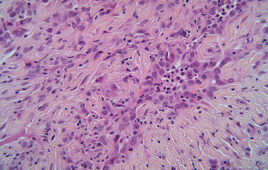
New research shows small, New World monkeys called marmosets may be an important animal model for emerging viruses with the potential for harmful effects on fetuses. Establishing animal models for emerging diseases, like Zika, is necessary for the development of vaccines, therapies and diagnostics. Results of a study published in the journal Scientific Reports showed pregnant marmosets inoculated with the Zika virmarmosetus at a specific point during the first half of their pregnancy spontaneously aborted the fetuses at almost exactly the same time – about two weeks after the infection. In addition, histology on the fetuses showed neurological abnormalities.
“There is strong interest in the scientific community in developing animal models to understand Zika virus with the goal of developing vaccines and therapies,” said lead author Suzette Tardif, Ph.D., a Scientist at Texas Biomedical Research Institute and Associate Director of Research at the Southwest National Primate Research Center. “We believe marmosets may be an especially relevant model for effects on infection in pregnancy.”
While a number of different animals are being studied as possible models for investigations of the Zika virus, including macaques and baboons, this is one of several studies that showed marmosets may be especially sensitive to the infection.
“It’s early days, but the results are encouraging,” Tardif added.
Collaborators in the study included virologists, microbiologists, primatologists and OB/GYNs from Texas Biomed, the University of California at San Francisco, Baylor College of Medicine in Houston, and University of Illinois at Chicago.
After the initial outbreak of Zika in Brazil that caused a large number of babies to be born with severe brain abnormalities, scientists who capture marmosets in the wild found they had antibodies to Zika, indicating the monkeys do get infected with the mosquito-borne illness. A study published by Texas Biomed and UCSF scientists in 2017 found male marmosets mimic human disease when infected with the Zika virus, with the infection found to linger in saliva and semen.
“We have a theory that the placenta may be a reservoir for the Zika virus which would explain why there’s so much of it because we find a huge number of infected cells there,” said Jean Patterson, Ph.D., Texas Biomed Scientist in the Department of Virology & Immunology and senior author of the study.
With her research partners, Patterson is proposing further studies on the impact of West Nile and cytomegalovirus (CMV) infections in pregnant marmosets. The idea is that these animals could serve as an effective model for pinpointing whether emerging viruses cause fetal development problems during pregnancy.
The Southwest National Primate Research Center at Texas Biomed houses a colony of 300 marmosets. This study was funded by the generosity of many donors and the Southwest National Primate Research Center P51 National Institutes of Health grant #P51 OD011133.
SOURCE: Texas Biomedical Research Institute
Filed Under: Drug Discovery